

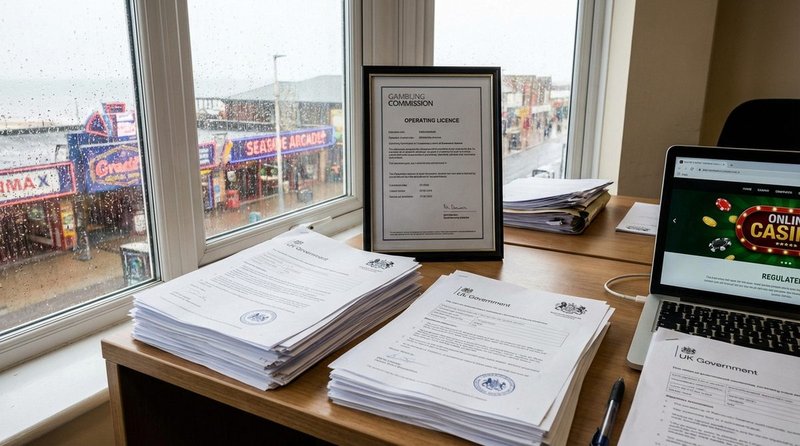
As online gambling continues to grow in popularity worldwide, the regulation of online casinos has become an increasingly pressing concern. Different countries have adopted varying approaches to online casino regulation, often reflecting their cultural attitudes towards gambling, the legal landscape, and economic considerations. For those interested in a deeper understanding of how online casinos are managed on a global scale, this article will explore the regulatory frameworks in various regions, including Europe, North America, and Asia. Additionally, we will take a look at how resources like Online Casino Regulation in Other Jurisdictions www.cafetaktik.se can provide further insight into these regulations.
1. The Need for Regulation
Online casinos operate in a largely unregulated global marketplace that can lead to significant risks for players, including fraud, addiction, and unfair gaming practices. Regulation serves multiple purposes:
- Player Protection: Ensures that casinos operate fairly and transparently, protecting players’ funds and personal information.
- Preventing Underage Gambling: Establishes age restrictions to prevent minors from accessing gambling sites.
- Revenue Generation: Governments can collect taxes from regulated online gambling activities.
- Combatting Crime: Helps prevent money laundering and other illegal activities associated with unregulated gambling.
2. European Union
The European Union (EU) has a diverse approach to online casino regulation, with each member state implementing its own rules. Countries like the UK, Malta, and Spain have well-established regulatory frameworks, while others are still developing their guidelines.
In the UK, the UK Gambling Commission (UKGC) oversees all gambling activities, including online casinos. The UKGC ensures that casinos adhere to strict licensing requirements, promote responsible gambling, and provide a safe environment for players. Conversely, in Malta, the Malta Gaming Authority (MGA) is renowned for its regulatory practices, often seen as a gold standard in the industry.
3. North America
North America exhibits a patchwork of regulations regarding online casinos, largely dependent on state laws in the United States and federal laws in Canada. In the U.S., online gambling legality varies by state, with New Jersey, Pennsylvania, and Delaware leading the charge in legalizing online casino operations.
New Jersey’s Division of Gaming Enforcement (DGE) provides a stringent framework governing online gambling, including guidelines for player safety and technical standards for gaming software. In contrast, Canada allows provinces to regulate online gambling independently, resulting in a mix of legal and illegal operations.

4. Asia
Asia presents one of the most challenging landscapes for online casino regulation. Countries like China and India have stringent anti-gambling laws, while others, such as Macau, facilitate regulated gambling environments. Macau has gained global attention as a major gambling hub, attracting millions of tourists and generating substantial revenue through its regulated casinos.
In contrast, places like the Philippines have allowed online casinos to flourish within a regulated framework, contributing to the economy while maintaining certain restrictions to address social concerns regarding gambling.
5. Challenges in Online Casino Regulation
Despite the initiatives taken by various governments, challenges persist in the effective regulation of online casinos:
- Technological Advancements: The rapid evolution of technology in gaming platforms often outpaces regulatory frameworks.
- Cross-Border Gambling: Players can access international online casinos, making it difficult for local governments to enforce regulations.
- Illegal Operators: Unlicensed casinos continue to operate, undermining the efforts of regulated entities to provide safe gambling options.
6. Future Directions
As online gambling continues to advance, it is likely that more countries will look to establish comprehensive regulatory frameworks. Collaboration between governments, industry stakeholders, and players will be crucial in developing standards that promote healthy gambling practices while protecting consumers. Initiatives such as the establishment of international regulatory bodies could foster cooperation and consistency in regulating online casinos worldwide.
7. Conclusion
In conclusion, the regulation of online casinos varies significantly across different regions, each adapting its approach based on local laws, cultural attitudes, and economic objectives. As the online gambling market progresses, ongoing dialogue and adaptation will be essential in building regulations that protect players while fostering a thriving industry. Resources like www.cafetaktik.se can offer valuable information to both players and operators, helping navigate the complex landscape of online casino regulation.
