

Cultural significance of casinos in modern society
Historical Context of Casinos
The origins of casinos can be traced back centuries, rooted in various cultures around the world. Initially, these establishments were venues for social gatherings, where people would engage in games of chance and skill. The cultural significance of casinos evolved as they became symbols of entertainment and leisure in society. Over time, they transformed into more sophisticated venues, attracting not just gamblers, but also tourists seeking unique experiences. As you explore your options, consider platforms like fun88 for engaging entertainment.

In many societies, casinos have played a role in economic development, becoming major attractions that generate revenue through tourism. Historical landmarks like Monte Carlo and Las Vegas emerged as icons, showcasing how casinos have been woven into the fabric of local culture and identity. Today, they are celebrated not just for gaming, but also for their architecture, entertainment, and gastronomy.
Casinos as Social Hubs
Casinos serve as vibrant social hubs where people from diverse backgrounds come together. The atmosphere created by these venues fosters interaction and community, as visitors share their experiences around gaming tables and entertainment events. This social aspect enhances the cultural significance of casinos, providing a space for connection and camaraderie among individuals.
Additionally, casinos often host live performances, exhibitions, and culinary events, further solidifying their role as cultural centers. These activities attract not only gamblers but also those interested in the arts and social engagement, emphasizing that casinos are more than just places to wager money; they are venues for cultural enrichment and community building.
The Rise of Online Casinos
The advent of the internet has revolutionized the casino landscape, leading to the rise of online casinos. These digital platforms offer similar gaming experiences to their land-based counterparts, allowing users to engage in games from the comfort of their homes. This transition has broadened access, enabling people who may not have visited physical casinos to enjoy gaming experiences.
Online casinos have also introduced new forms of gaming and social interaction, with features such as live dealers and multiplayer games. This digital shift reflects contemporary societal trends, highlighting the importance of technology in cultural expressions of entertainment. While online casinos provide convenience, they also challenge traditional notions of community found in physical casinos.
The Cultural Impact of Gambling
The act of gambling itself carries significant cultural implications, varying widely across different societies. In some cultures, gambling is viewed positively, associated with luck and fortune, while in others, it may be seen as detrimental. This dichotomy reflects deeper societal values and beliefs, emphasizing the complex relationship between gambling and cultural identity.
Moreover, responsible gambling initiatives and awareness campaigns have emerged to address potential negative consequences, aiming to foster a healthier gambling culture. This evolving narrative shows that casinos, both online and land-based, are continuously shaping and being shaped by societal norms, reflecting broader discussions about ethics, responsibility, and entertainment.
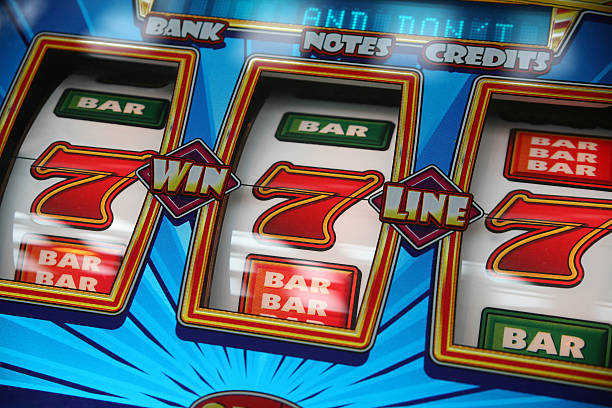
Conclusion: The Future of Casinos in Society
As we look to the future, the cultural significance of casinos is likely to continue evolving. The juxtaposition of traditional land-based casinos and the growing popularity of online platforms will influence how society perceives gaming culture. Innovations in technology and changing consumer preferences will further redefine the casino experience.
Ultimately, whether in physical locations or online, casinos will remain vital to modern entertainment and culture. They will continue to serve as spaces for social interaction, cultural expression, and economic activity, reflecting the diverse and dynamic nature of contemporary society.